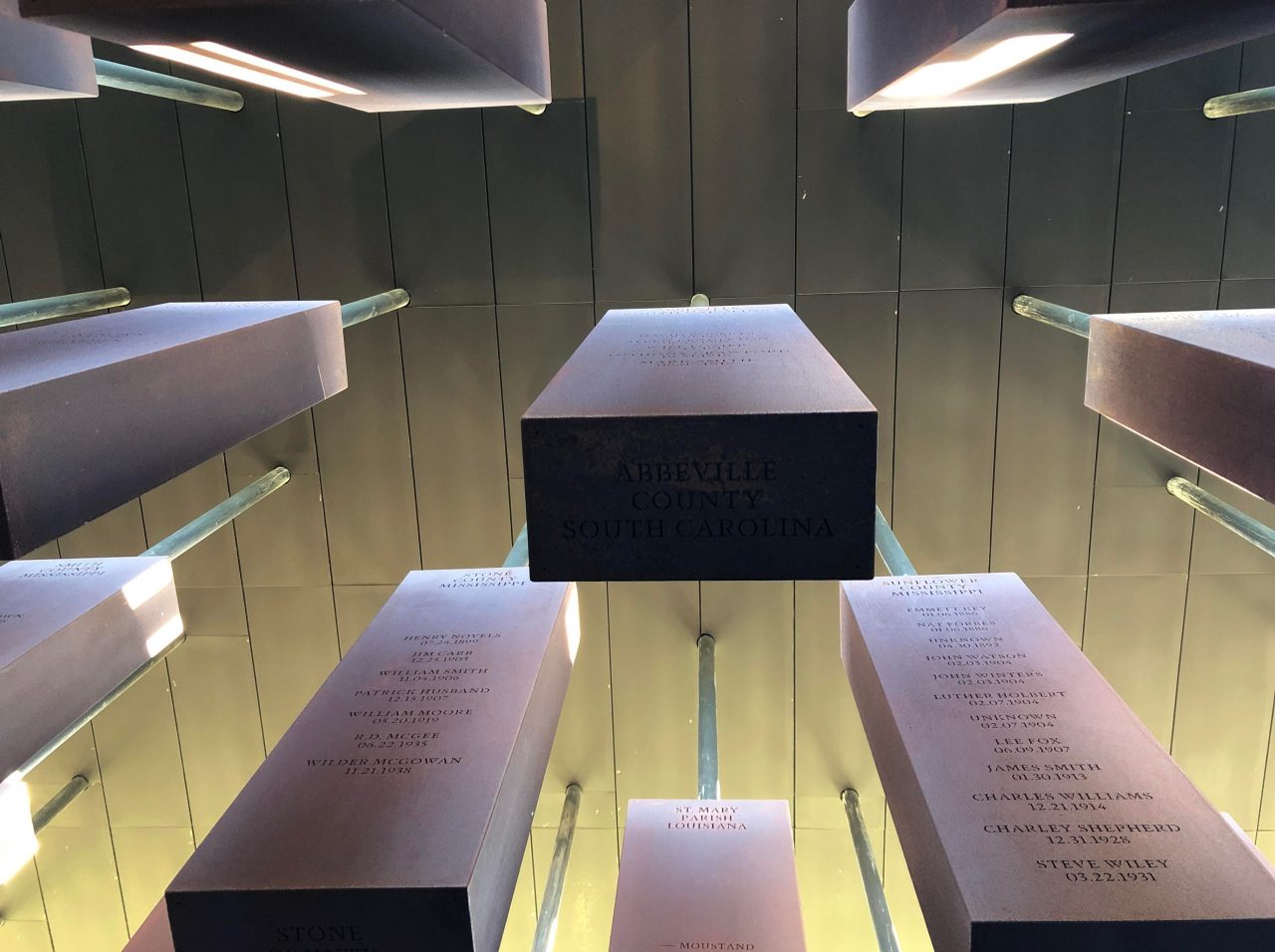
One weekend ago I attended a Black student organization leadership conference for regional colleges and universities. Groups of Black students and advisors descended upon a midwestern city bringing a level of intellect, energy, and beauty unlike any this city has ever seen–I have no doubt of this though have done no research on it. Last year was the first year I attended, and I was uncomfortable at a minimum. I felt much more at ease this go around; I made jokes about being white with my students and thought I understood my role there as a faculty advisor to my school’s Black Student Union.
I was wrong. I understood nothing until…
When Saturday arrived, I found myself realizing that I should have been asking permission to sit on workshops. After all, four decades of planning and growing this conference for Black students was not intended to serve me, a white faculty advisor. Instead, my epiphany that I had inserted myself into a safe space created for Black students, many attending PWIs, had me in knots. I was angry with myself. Anger, for me is often expressed in tears.
Hello, white fragility.
Robin DiAngelo writes, “Tears that are driven by white guilt are self-indulgent. When we are mired in guilt, we are narcissistic and ineffective; guilt functions as an excuse for inaction” (135). Briskly walking to the hotel elevators, I called my daughter. I managed to get up to the hotel room before I began sobbing, grateful that none of my BSU students saw my display of anger and guilt. Happily, I have a grown child who is wise and helped with the logic of the situation and the need for me to be honest with my students. You see, I had determined that I was going to pull myself out of the rest of the conference as best I could. Explaining why to BSU students worried me.
I knew this was on me and only me. I did not want them putting any emotional labor on themselves to support me. They have a tendency to want to protect me, which touches me deeply, but I have to reassure them often that I am in the role of supporting them. I have white middle-class, cis, heterosexual privilege that protects me. I hate thinking that they do emotional labor to support me–they have enough labor they do, both mental and physical, that I need not be one more weight.
Talking to my students proved difficult. I was terrified that I had irreparably damaged a relationship with one of the students who has helped me grow as a person and a professor. I can say, gratefully, we have mended the relationship. Or, more so, she mended it through her willingness to accept me and the progress I am trying to make on living an anti-racist life.
I am now asking myself the question: am I seeing myself as a white savior? Do I have white savior complex? I hate that I have to ask myself this question. Hate.
White privilege runs deep. No white person is immune to it. My journey of become an accomplice in the fight against racism proves to be full of bumps and roadblocks. My job, and I do mean job, must be navigating the road with intention and self-reflection.
I strive to do better. That is the best I can do.
DiAngelo, Robin. White Fragility: Why It’s So Hard for White People to Talk about Racism. Beacon, 2018.
 A White Professor Explores Civil Rights Education