Much to reflect on tonight as we have hit day two of our trip. I did not post last night, but am somewhat grateful I was not feeling up to it. My motion sick bus ride to Memphis left me tired last night. I won’t go into the details of the bus ride, but suffice it to say, I was ill.
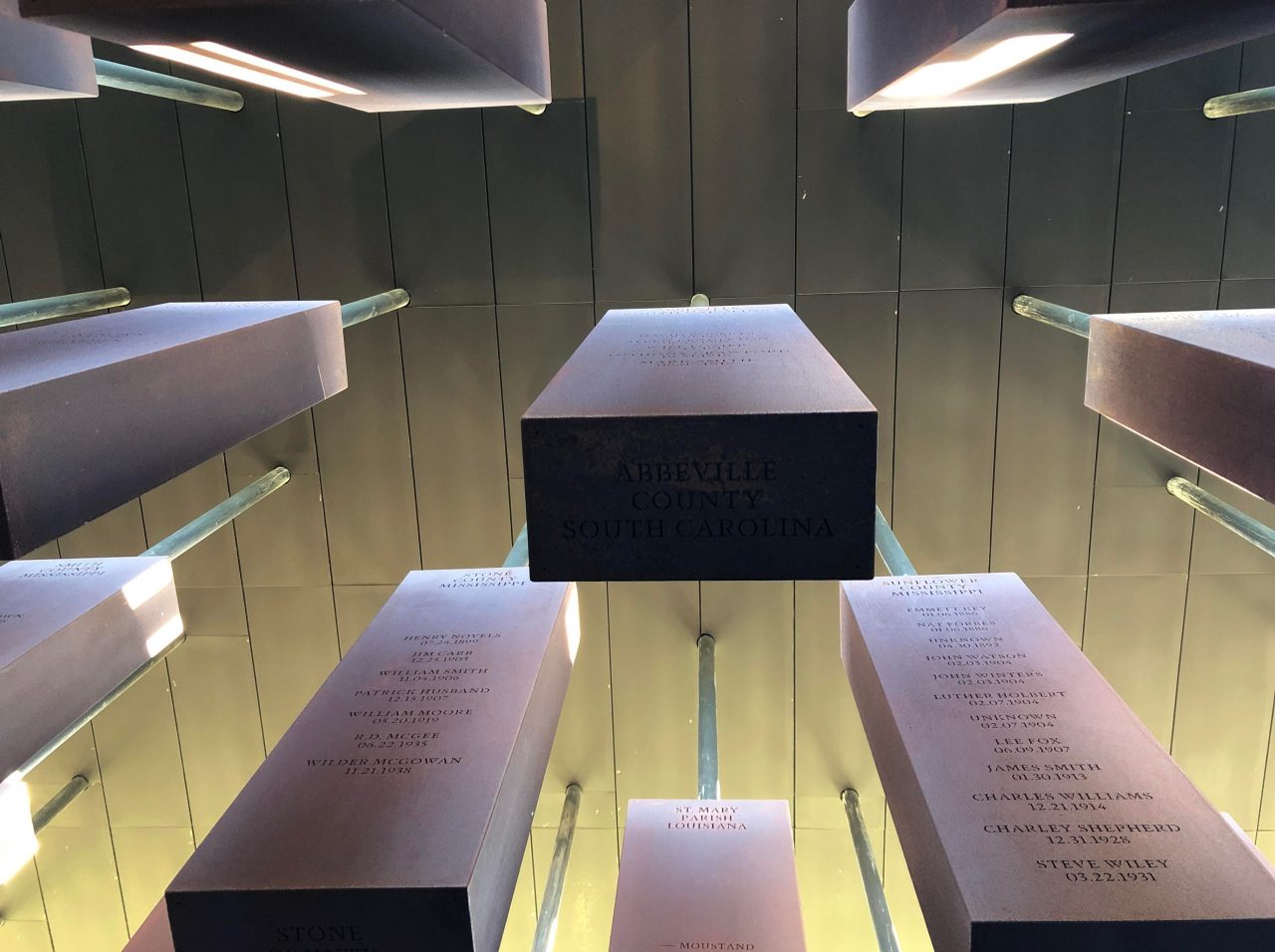
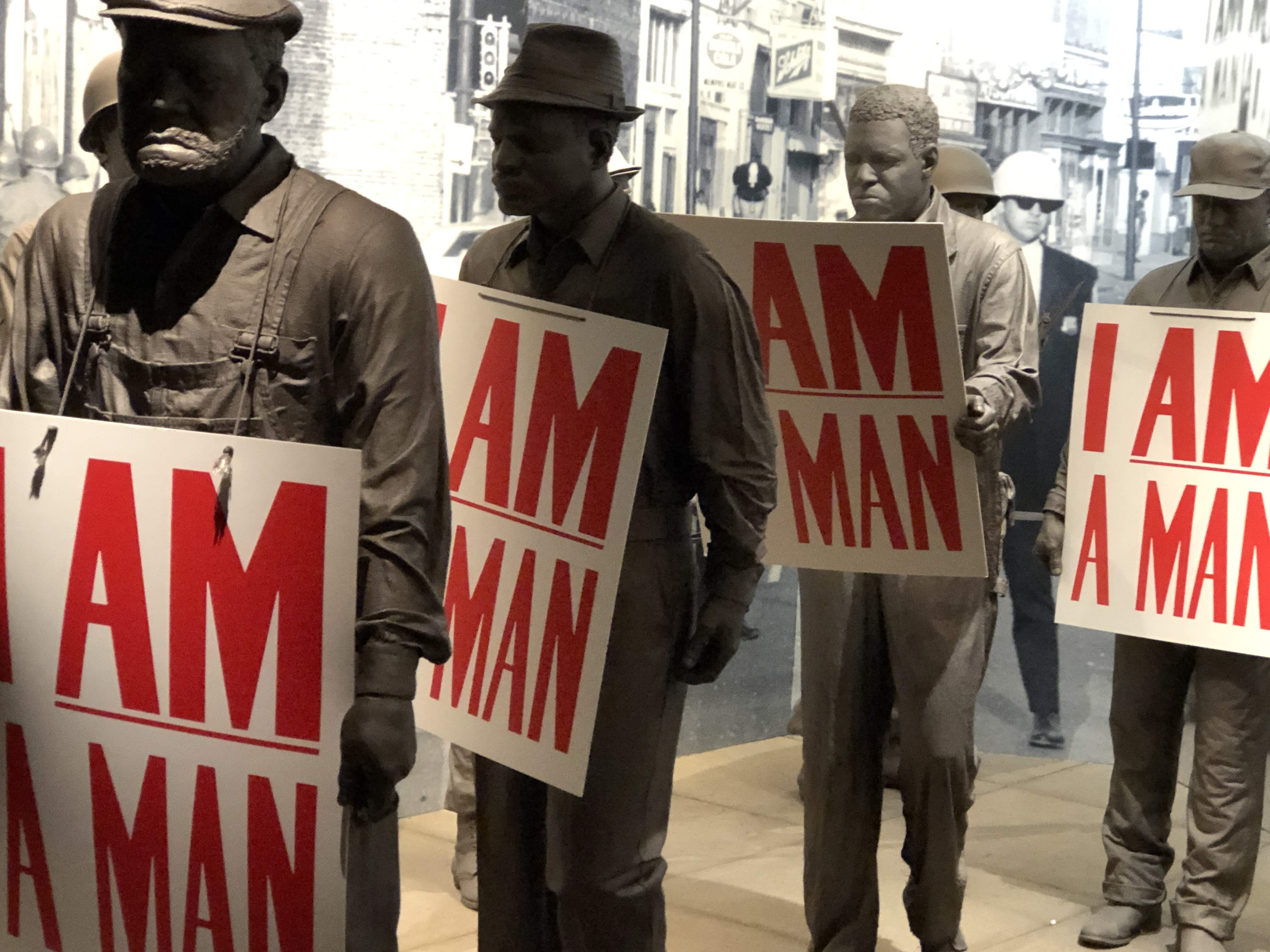
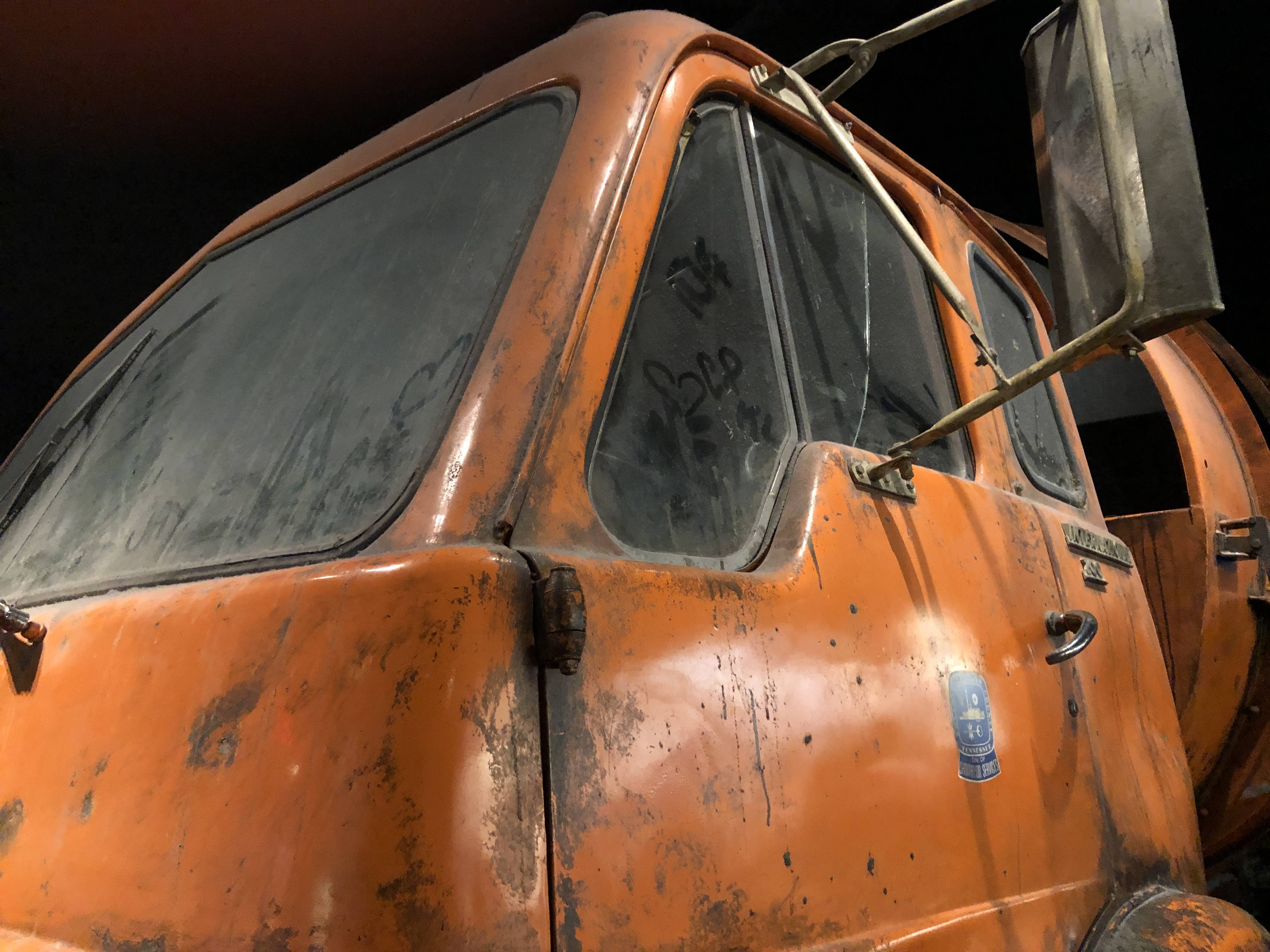
Yesterday afternoon I visited the National Civil Rights Museum as our first museum for the class trip on Exploring Civil Rights. What I noticed was how museums are a place for respect. Two exhibits in the museum, which I noticed specifically, had signage asking for respect. The first one was telling the story of the Memphis Sanitation Workers Strike in 1968. On the sanitation truck, the museum included a sign asking visitors to not touch the truck out of respect for the workers who went on strike for fair wages.
 A large sign was posted on the wall of the exhibit of the Lorraine Motel’s Room 306, the last room Dr. Martin Luther King, Jr. stayed in, asking for silence and respect. I don’t think I gave enough respect. I was trying to find a way to capture the room, frozen in time, behind glass in a photo as so many others were also doing. What did I miss out on when I saw the room through a phone camera rather than through my eyes? I will never know. I could post a photo below of Room 306, but why? No image of a 1968 motel room can capture what it meant to lose a man who was changing the world in the fight for equality for all people. What was lost that day cannot fit in a photo frame. I cannot help but think that the purpose of the exhibit is well beyond the notion that we know what cigarettes were smoked, what color the bedspreads were or anything trivial of that nature. Yet, that is what I was “capturing.”
How do I enter these spaces that demand respect, even if they don’t explicitly state it with signs, and learn all that I can? How do I use the history of civil rights to help me fight my own racist thoughts and deeds? As Robin DiAngelo tells me in White Fragility, I cannot help but be a racist as I am a white person raised in a white supremacist society. Racism might as well be in my DNA makeup because that is how entrenched it is in the United States. I acknowledge I am a racist and that does not make me anything special. It means I am doing what all white people should be doing. If you are white, come to terms with your racism, and then work to be better every day in fighting it and the white supremacy around you.
When I enter the Mississippi Civil Rights Museum on Tuesday, I will work to be more mindful of why I am there and what I can learn. How can I use what I take in from the exhibits and history displayed and use it to be a better accomplice in the fight against racism? If I am not there to learn that, why am I there at all?
 A White Professor Explores Civil Rights Education